









Rabeca.org

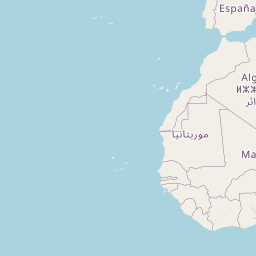
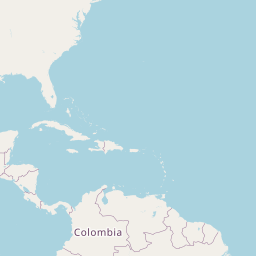
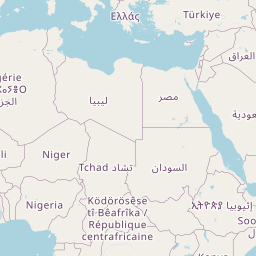
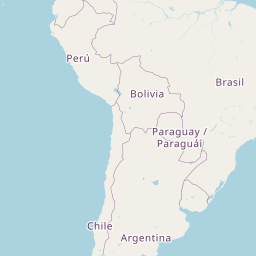
Map of the Brazilian and Portuguese rabeca and the Guarani rawé
Leaflet © OpenStreetMap contributors
Selecione um marcador
📍 --
Clique em um marcador no mapa para ver os detalhes.

About

This site aims to disseminate, collect and preserve information about the Brazilian and Portuguese rabeca, the Guarani rawé (ravé, rabé, rabel) and other similar artisanal bowed string instruments. It functions as an active database that accepts submissions from researchers and musicians whilst simultaneously making this information available on an interactive map. The map contains recordings, photos, texts, scores and videos and offers the opportunity to explore these fascinating instruments with a focus on their regionality. It enables observations of patterns in compositions, performances, techniques and instrument construction.

Project by Iain Mott

How to use

Drag the map to navigate. Tap a marker to see text, photos, audio and video. Click on clusters or use pinch or mouse wheel to zoom. Use the Index tab to view and filter entry lists.

The Rabeca

The rabeca or rebeca is a stringed musical instrument played by bowing. It is related to the violin and generally viewed as a more rustic or primitive version of its counterpart. Despite the evident similarities between the two instruments, on close inspection the rabeca may be seen to have its own unique identity, particularly considering its construction and mode of playing.

Unlike the violin, there are no universal norms of construction of the rabeca and different instruments may vary widely in size, shape, the number of strings, tuning and the materials employed in fabrication. The characteristics of each instrument depend on regional traditions as well as the creativity of the maker and the means available, which are commonly few. As to the manner of playing, the violin is usually placed under the chin of the musician; the rabeca, which may also be played in the same way, is more often supported on the chest or left shoulder in a manner similar to that used on some medieval instruments. Both the physical characteristics of the instrument and its mode of playing grant the rabequeiro or rabequista (fiddler) a broad palette of timbres and sonorities quite distinct from those of the violin. For example, while the bridge of the violin is curved to allow the unobstructed sounding of one string at a time, the bridge of the rabeca is often much flatter, which favours the sounding of two or more strings simultaneously.

To identify a precise origin of the rabeca is a difficult task. Amongst its most remote ancestors are probably some of the first bowed stringed instruments brought to Europe by the Arabs, such as the rabab or rebab, of Persian origin, and the ar'abebah used by Berber tribes of northern Africa. Theses instruments have in general only one or two strings and a pear-shaped resonator covered by a piece of leather. More sophisticated versions of the instruments, called rabé, rabel or rebec with wooded top-plates in place of the leather and three strings tuned in just fifths, became popular in the Middle Ages, disseminating the sound and technique of bowed strings throughout all of Europe.

Over time these instruments merged with various forms of plucked instruments then in vogue in Europe, such as the Spanish vihuela, a type of guitar known under the name viola in Portuguese. The result was a new instrument that combined the sound of bowed strings with the characteristic form of the viola's resonating box, composed of two plates interconnected by flanks and with a central narrowing forming a type of waist. Unlike the viola the new instrument had thicker concave plates and continued to be tuned in fifths. It is with these characteristics that we encounter the first references to the instrument called the rabeca.

A smaller variant of this instrument, played under the chin and developed by successive generations of meticulous craftsmen to achieve a standard form, would result in the violin and other related instruments later to became dominant across Europe. With the popularisation of the violin, the rabeca became practically obsolete on the European continent, remaining only in a few small regions, particularly in mountainous rural areas. This is the case of the Portuguese rabeca chuleira, of the rabel in pastoral Spain and of the ribeca found in some parts of the Italian Alps.

It is likely that the rabeca, being an instrument popular on the Iberian Peninsula during the period of the discovery of Brazil, had arrived in the country in the early days of Portuguese settlement. There are some very old references to the use of the instrument in popular festivals, such as those in Bahia in 1760 in celebration of the wedding of the Princess of Brazil (the future Queen Maria I) with her uncle Dom Pedro (later Dom Pedro III): "On the eleventh the cobblers and leathersmiths celebrated with a dance of riches and flamboyant farce, which conceded nothing to that of the tailors and flowed through the streets to the strains of several rabecas deftly played."1

In its diverse forms the rabeca may be encountered in practically all parts of Brazil: in the fandangos of Paraná, in the folias de reis of Minas Gerais, in the bois de reis and cavalo-marinho of the Zona da Mata region of the north east, in the music from the southern coasts of São Paulo, in the reisados and dances of São Gonçalo in all parts of the north east, in the Guarani indigenous communities of São Paulo and Rio Grande do Sul, in the marujada of coastal Pará and in many other regions. In each of these places, the rabeca possesses unique characteristics and repertoire, with the common theme being that of its integration in popular festivals.

1Francisco Calmon, Relação das faustíssimas festas (Facsimile reproduction from the original of 1762; Rio de Janeiro: Funarte, 1982) apud Nóbrega, 1998:8.

Translation by Iain Mott of the text: PACHECO, Gustavo; ABREU, Maria Clara. Rabecas de Mané Pitunga. Rio de Janeiro: CNFCP, Funarte, 2001:10-13.

Acesso do Editor

Login restrito

Search

Results

Index

Bibliography and Discography

ALIVERTI, Mavilda; DE MORAES, Maria José; DA SILVA, Rosa Maria Mota. O ensino da Rabeca em Bragança-Pará: um resgate da tradição. Em: XVI Encontro Anual da ABEM e Congresso Regional da ISME na América Latina, Unversidade Federal de Mato Grosso do Sul, 2007.

BERGMANN FILHO, Juarez. A Rabeca Brasileira: reflexões, conceitos e referências. Simpósio Nacional de Tecnologia e Sociedade. Anais... . p.696–706. Curitiba, 2013.

BONAMIGO, Zélia Maria. A economia dos Mbya-Guaranis: Trocas entre homens e entre deuses e homens na Ilha da Cotinga em Paranaguá-PR. Dissertação de mestrado, Curitiba: Universidade Federal de Paraná, 2006.

BRANDÃO, Carlos Rodrigues. Cavalhadas de Pirenópolis: um estudo sobre representações de cristãos e mouros em Goiás. Goiânia: Oriente, 1974.

DEBRET, Jean Baptiste. Viagem pitoresca e histórica ao Brasil. [S.l.]: Livraria Martins, 1940.

DE CARVALHO, Gilmar. Rabecas do Ceará. Fortaleza: Laboratório de Estudos da Oralidade UFC/UECE para a Expressão Gráfica e Editora Ltda., 2006.

CASCUDO, Luís da Câmara. Vaqueiros e Cantadores. São Paulo: Global Editora, 2005.

FERNANDES, José Loureiro. Congadas Paranaenses, Cadernos de Folclore. v. 19. Rio de Janeiro: MEC-FUNARTE, Campanha de Defesa do Folclore Brasileiro, 1977.

FIAMINGHI, Luiz Henrique. O Violino Violado: o entremear das vozes esquecidas das rabecas e de "outros violinos". Per Musi, n.20, p.16-21, 2009.

FIAMINGHI, Luiz Henrique. O Violino Violado: rabeca, hibridismo e desvio do método nas práticas interpretativas contemporâneas - Tradição e inovação em José Eduardo Gramani. Doutorado em Música, Campinas: Universidade Estadual de Campinas, 2008.

FIAMINGHI, Luiz Henrique; PIEDADE, Acácio Tadeu. Rabeca Reborn: the revival of the brazilian fiddle and the historical performance of music. Em: 5th Conference on Interdisciplinary Musicology Paris, 2009.

FONSECA, Edilberto; CHAVES, Wagner. Sons de couro e cordas; instrumentos musicais tradicionais de São Francisco - MG. Rio de Janeiro: IPHAN, CNFCP, 2005.

GIORDANI, Ary. Mbaraka: Metonímia Musical Mbya. Dissertação de mestrado, Curitiba: Universidade Federal de Paraná, 2009.

GRAMANI, Daniella da Cunha (Org.). Rabeca, O Som Inesperado. Fundação Cultural de Curitiba, 2002.

GRAMANI, Daniella da Cunha. O Aprendizado e a Prática da Rabeca no Fandango Caiçara: estudo de caso com os rabequistas da família Pereira da comunidade do Ariri. Dissertação de mestrado, Curitiba: Universidade Federal de Paraná, 2009.

HAUBERT, Maxime. Índios e jesuítas no tempo das missões. São Paulo: Companhia das Letras, 1990.

HOLLER, Marcos. Os Jesuítas e a Música no Brasil Colonial. Campinas: Editora Unicamp, 2010.

HUSEBY, Gerardo V.; RUIZ, Irma. Pervivencia del rabel europeo entre los Mbïá de Misiones (Argentina). Temas de Etnomusicología, n.2, 1986.

IDALINO, Geraldo. Um Violino no Forró (LP). São Paulo: Discos Copacabana COELP-41717, 1982.

LANGER, Protasio Paulo. Violinistas Kaiowá/Guarani: dados etnográficos e históricos sobre os violinos de procedência missioneira no atual Mato Grosso do Sul. In: LANGER, Protasio Paulo; CHAMORRO, Candida Graciela. (Org.). Missões, Militância Indigenista e Protagonismo Indígena. 1ed.São Bernardo do Campo / SP: Nhanduti, 2012, v. , p. 317-338.

DE LIMA, Agostinho Jorge. A Brinquadeira do Cavalo-Marinho na Paraíba. Doutorado em Música, Salvador: Universidade Federal da Bahia, 2008.

DE LIMA, Rossini Tavares. O Folclore do Litoral Norte de São Paulo. Rio de Janeiro, São Paulo: MEC-SEAC-FUNARTE, Instituto Nacional do Folclore, Secretaria de Estado da Cultura, Universisidade de Taubaté, 1981.

DE LIMA, Rossini Tavares. Folclore do Litoral Sul: Cananéia. Em: Revista Brasileira de Folclore, v31, setembro/dezembro, p.343-352, 1971.

LOPES, João Baptista da Silva. Istoria do cativeiro dos prezos d'estado na Torre de S. Julĩao da Barra de Lisboa. Lisboa: Imprensa Nacional. Recuperado 23 de novembro de 2012, de http://books.google.com.br/books?id=bh0oAAAAYAAJ&pg=PA259&dq=rabeca&hl=pt-BR&sa=X&ei=CqKvUJ3tK4WX0QGxyIGwAQ&ved=0CEsQ6AEwBw#v=onepage&q=rabeca&f=false, 1833.

MARTINS, Emerson Carpegianne de Souza; LIMA, Agostinho Jorge de. Práticas de ensino da música de rabeca no Rio Grande do Norte. Em: ENCONTRO REGIONAL DA ABEM NORDESTE, 9, Natal, 2010.

MESQUITA, Mariana. João, Manoel, Maciel Salustiano: três gerações de artistas populares e sua comunicação com o massivo na perspectiva da reconversão cultural. Revista Internacional de Folkcomunicação, n.1, p.79-97, 2003.

MONTARDO, Deise Lucy Oliveira. Através do Mbaraka: Música e Xamanismo Guarani. Doutorado em antoplogia social, São Paulo: Universidade de São Paulo, 2002.

DE MORAES, Maria José Pinto da Costa; ALIVERTI, Mavilda; DA SILVA, Rosa Maria Mota. Tocando a Memória - Rabeca. Belém: Instituto de Artes do Pará, 2006.

MURPHY, John. The "Rabeca" and Its Music, Old and New, in Pernambuco, Brazil. Latin American Music Review / Revista de Música Latinoamericana, v.18, n.2, p.147-172, 1997.

MURPHY, John Patrick. Cavalo-marinho pernambucano. (A. C. D. P. Bueno, Trad.). Belo Horizonte: Editora UFMG, 2008.

DA NÓBREGA, Ana Cristina Perazzo. A rabeca no cavalo marinho de Bayeux, Paraíba: um estudo de caso. João Pessoa: Conselho Estadual de Cultura, SEC: Editora Universitairia, 2000.

OLIVEIRA, Cego. Rabecas e Cantoria (LP). Fortaleza: Cariri Discos 811003, 1991.

DE OLIVEIRA, Ernesto Veiga. Instrumentos Musicais Populares dos Açores. Lisboa: Fundação Calouste Gulbenkian, 1986.

DE OLIVEIRA, Sérgio Roberto Veloso. A rebeca na Zona da Mata Norte de Pernambuco: levantamento e estudo. Monografia (Departamento de Música), Recife: Universidade Federal de Pernambuco, 1994.

PACHECO, Gustavo; ABREU, Maria Clara. Rabecas de Mané Pitunga. Rio de Janeiro: CNFCP, Funarte, 2001.

PIMENTEL, Alexandre; GRAMANI, Daniella; CORRÊA, Joana. (ORG.). Museu Vivo do Fandango. Rio de Janeiro: Associação Cultural Caburé, 2006.

PONTES, Mário. O Cego, a Viagem, o Vôo. Revista de Cultura Vozes, v. LXVIII, n. 2, 1974.

Revista dos Açores. v. 1-105, 1851.

ROMANELLI, Guilherme G. B. A Rabeca do Fandango Paranaense: A Busca de uma Origem Utilizando o Violino Como Parâmetro. I Simpósio de Pesquisa em Música. Anais... . UFPR, DEARTES, 2005.

SALLES, Marena Isdebski. Rabeca, instrumento folclórico. Boletim de Comissão Fluminense de Folclore, Niterói, v.2, n.4, p.6-8, 1971.

SANTOS, Roderick. Isso Não É um Violino? : Usos e Sentidos Contemporâneos da Rabeca no Nordeste. Natal: IFRN, 2011.

SARDINHA, José Alberto. Chula de Baião (gravação de áudio). Portugal Raízes Musicais, Fascículo 1: Minho e Douro Litoral, Portugaliae Harmonia Mundi, ethnos. Porto: Edição do Jornal de Noticias, 1997a.

SARDINHA, José Alberto. Chula de Paus (gravação de áudio). Portugal Raízes Musicais, Fascículo 1: Minho e Douro Litoral, Portugaliae Harmonia Mundi, ethnos. Porto: Edição do Jornal de Noticias, 1997b.

SARDINHA, José Alberto. Chula (gravação de áudio). Portugal Raízes Musicais, Fascículo 2: Trás-Os-Montes, Portugaliae Harmonia Mundi, ethnos. Porto: Edição do Jornal de Noticias, 1997c.

SARDINHA, José Alberto. Tunas do Marão. Vila Verde: Tradsom, 2005.

SETTI, Kilza. Notes on Caiçara Musical Production: Music as the Focus of Cultural Resistance among the Fisherman of the Coastal Region of Sáo Paulo. The World of Music, v.30, n.2, p.3-21, 1985.

SETTI, Kilza. Questões Relativas à Autoctonia Nas Culturas Musicais Indígenas da Atualidade, Consideradas no Exemplo Mbyá-Guarani. Correspondência Euro-Brasileira, v. 21, 1993.

SETTI, Kilza. O Sistema Musical dos Índios Guarani de São Paulo. D.O. Leitura, n. 7, p. 8-9, 1988.

SETTI, Kilza. Ubatuba nos Cantos das Praias: Estudo do Caiçara Paulista e sua Produção Musical, Coleção Ensaios 113. São Paulo: Ática, 1985.

SILVA, Maria Emiliana. A Rabeca Chuleira: etnografias, contextos e tocadores. Dissertação de mestrado, Aveiro: Universidade de Aveiro, Departamento de Comunicação e Arte. Recuperado dia 4 de outubro, 2012, de http://ria.ua.pt/handle/10773/7560, 2011.

SOUSA, Francisco. Rabecas: Luteria e Performance - Fotos de Francisco Sousa. Fortaleza: Espaço Cultural Correios e Brazilbizz, 2011.

TITON, Jeff Todd. Old-Time Kentucky Fiddle Tunes. Lexington: The University Press of Kentucky, 2001.

VASCONCELLOS, J.M.P. DE. Selecta Brasiliense ou Noticias, descobertas, observações, factos e curiosidades em relação aos homens, à historia e cousas do Brasil. Rio de Janeiro: Diario do Rio de Janeiro, 1870.

Get in Touch

Use the form below to contact us or to contribute to the project.

This site is protected by reCAPTCHA and the Google Privacy Policy and Terms of Service apply.

How to Contribute

We accept contributions from researchers, musicians and enthusiasts. You can submit:

  • Audio Recordings - Traditional music and performances
  • Photographs - Images of instruments and events
  • Videos - YouTube links with performances
  • Texts and Research - Articles and historical documentation